

Are You Allergic To Makeup? Signs, Symptoms, And Gentle Alternatives For Sensitive Skin | Red Apple Lipstick
Disclaimer: The information in this article is for educational purposes only and is not medical advice. If you have concerns about your eye health, skin health, or any symptoms, please talk with a qualified medical professional.
Beauty products should help you feel confident, not sore, itchy, or swollen. If your foundation, lipstick, or eye makeup often leaves your skin angry, you may be dealing with an allergy or irritation to ingredients in your cosmetics.
Table of Contents
- The two types of allergic reaction
- How allergens can enter your body
- How do you know if you are allergic to makeup?
- Common culprits hiding in cosmetics
- Does age affect allergic reactions to makeup?
- How to treat an allergic reaction on your face
- How to treat an allergic reaction to makeup
- How Red Apple Lipstick is different
- FAQs
Quick overview
- How to tell allergic vs irritant reactions on skin and eyes
- Common cosmetic ingredients that can trigger problems
- Simple steps to calm your skin and choose gentler makeup
Allergies happen when your immune system decides that a certain substance is dangerous and reacts to protect you. That substance is called an allergen. Allergens can come from food, pollen, pets, medicine, and also ingredients in makeup and skincare.
The two types of allergic reaction
Allergic contact dermatitis
Allergic contact dermatitis involves your immune system overreacting to an ingredient. Symptoms can include hives, itching, swelling, and redness in the area where the product touched your skin.
Irritant contact dermatitis
Irritant contact dermatitis happens when a product directly damages your skin barrier, even if you are not truly allergic to it. This type of reaction can cause itching, stinging, burning, dryness, or even blisters where the product was applied.


How allergens can enter your body
1. Ingestion
Allergens such as food or medicine can be swallowed and enter your body through your mouth and digestive system.
2. Absorption
Allergens can be absorbed through your skin. This includes plants, latex, metals, and ingredients in beauty products that sit on your face, lips, or eyes.
3. Inhalation
Some allergens float in the air and enter your body when you breathe. Common examples include dust, pollen, and pet dander, but loose makeup powders can also be breathed in.
4. Injection
Certain allergens enter through needles or injections, such as some medicines and vaccines.

Is it possible to be allergic to makeup?
Most of us know about food allergies or seasonal allergies, but yes, your makeup can also make you feel sick or uncomfortable. A product can trigger redness, burning, swelling, or breakouts, even if everyone else seems to love it.
If you enjoy makeup, it is frustrating when a new product that looks beautiful on social media gives you a rash or puffy eyes in real life. This guide is for you if you suspect a makeup allergy, wonder if a certain food is to blame, or blame only old, expired makeup for your skin issues.

What are the symptoms of an allergy?
Depending on how strong the reaction is, an allergy can be short term, long term, or in rare cases life threatening. Allergens can affect your skin, eyes, and breathing.
Skin allergies happen when your skin touches an allergen that it is sensitive to. Eye allergies are especially common because powders, liners, eyeshadows, and mascara are used close to the eye every day. Indoor and outdoor allergens can also get into your eyes and cause redness, swelling, itchiness, and tearing.
Nasal allergies (rhinitis) involve inflammation of the inside of the nose. The allergen can trigger extra mucus, which can drip down the back of your throat and cause coughing or congestion.
Some common allergic reactions include:
- Itchy or watery eyes
- Cough
- Tongue swelling
- Wheezing
- Itchy or runny nose
- Swelling
- Pain
- Vomiting
- Rash or hives
- Sneezing
- Redness
- Diarrhea
How do you know if you are allergic to makeup?

A makeup allergy can show up in several ways. Many people notice changes right where the product was used, such as the eyelids, lips, cheeks, or neck.
There are two main patterns:
Irritant contact dermatitis appears when a product is simply too harsh for your skin barrier. Your skin may sting or burn shortly after application. You may see redness, tightness, or flaking. This is a sign that your skin does not feel safe with that formula.
Allergic contact dermatitis is an immune reaction to one or more ingredients. It can show up as hives, swelling, redness, dry patches, or very itchy skin. Sometimes the reaction appears hours after you apply the product, which can make it harder to connect the dots.
Redness is common, but some people also develop darker patches of skin or clogged pores and blackheads in the area that was irritated.
If the same spots react every time you apply a certain type of product, there is a good chance that one of its ingredients is not friendly to your skin.

What are the most common culprits of cosmetics allergies?
Synthetic fragrance. Fragrance is one of the top offenders. It can irritate skin, eyes, and even your breathing. Fragrance shows up in almost every category, from chapsticks to cleansers and hair products.
If you are sensitive, look for products that clearly say “fragrance free.” Be careful with “unscented” products. Many still contain masking fragrance to cover chemical smells, which can still trigger a reaction.
Preservatives. Preservatives keep products safe from bacteria and mold, which matters, but some can be irritating for sensitive or allergy prone skin.
Many formulas are designed to sit in hot warehouses or shipping containers for long periods of time, so brands often choose strong preservatives such as parabens. Parabens show up in foundations, powders, eyeliners, eyeshadows, lipstick, blush, makeup removers, toothpaste, and sunscreen.
Not everyone reacts to parabens, but if you do, they can cause itching, redness, or other irritation. In that case, it is helpful to avoid products that list them on the ingredient label.
Low grade or low quality ingredients. Some big cosmetic companies keep costs low by using cheaper ingredients as long as most customers never notice a problem. If you are in the group who does react, that can feel very unfair.
Preservatives and low quality ingredients can keep a product on the shelf for years, but they may not be kind to sensitive skin.
If you have an autoimmune disease, asthma, eczema, or a history of allergies, you may be more likely to notice reactions to these types of ingredients.
If you have an autoimmune disorder
If you live with an autoimmune condition or chemical sensitivities, you often cannot be casual about what you put on your skin. Even small changes in your routine can lead to several days of irritation.
Even if you do not have a strong reaction right away, harsh ingredients still are not helping your skin. They do not nourish or protect it, and they may slowly wear down your skin barrier over time.
Does age affect allergic reactions to makeup?
As you get older, you may notice that products you loved in your twenties no longer feel good on your skin. That is not your imagination.
When you are younger, your immune system often tolerates more ingredients. Over time, your body may become less patient and more likely to push irritating substances out instead of quietly putting up with them.
You might blame a change in a product formula, but often it is your immune system that has changed. You can also develop a strong reaction after years of using the same product without problems.
Sometimes you see a reaction within hours. Other times it takes repeated exposure for your immune system to finally say “enough.” That is why you might suddenly become reactive to a long time favorite lipstick, mascara, or foundation.

How do you treat an allergic reaction on your face?
Makeup and skincare can cause redness, swelling, dryness, or itchiness on your face, especially on thin, delicate areas like your eyelids and around your mouth.
If you suspect a reaction:
- Stop using the product right away and gently wash it off with lukewarm water and a mild cleanser.
- Use a simple, gentle moisturizer and avoid adding new products while your skin is upset.
- Over the counter antihistamines or mild corticosteroid creams are sometimes used to ease symptoms, but always follow package directions and ask a medical professional if you are unsure.
- Do not scratch, scrub, or pick at the area, even if it is itchy, because this can damage your skin barrier even more.
The skin on your face is thin and more likely to react to irritating ingredients, so keeping your routine simple during a flare can help it settle faster.

How do you treat an allergic reaction to makeup?
Allergic reactions to makeup are treated in similar ways, but it also helps to think about the exact product and where it was used.
- Specialized moisturizers can help calm the skin and reduce itchiness from reaction prone ingredients. For example, Ashley Teague Lorance has mentioned using Osmia Purely Simple Face Cream on her sensitive skin.
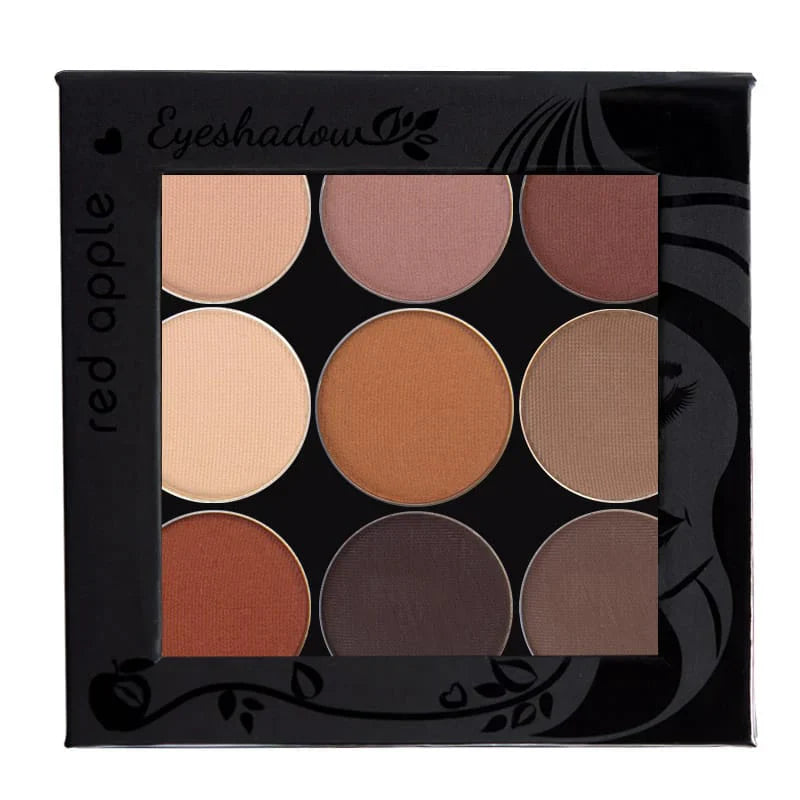
- If you react to eye shadow, consider switching to talc free eyeshadows for sensitive eyes, gluten free eye liner, and a hypoallergenic mascara that is designed for delicate eyes.
- For quick comfort, a cool compress can reduce swelling and itching. You can follow with a chamomile tea compress if your doctor or dermatologist agrees this is safe for you.
- In some cases, doctors may suggest antihistamines or corticosteroids to help with more intense reactions or breathing symptoms.
If your lips are dry or rough after a reaction, a gentle lip care routine can help. Many people like to pair a soft scrub such as a lip exfoliate stick with a soothing, gluten free balm like Rallye Balm before going back to color.
For your base and cheeks, choosing talc free blush for sensitive skin and a gentle, buildable bronzer like Sundrop Bronzer can help reduce extra irritation.
How Red Apple Lipstick is different
Many big brands focus on long shelf life and low cost ingredients. That can mean plasticizers, harsh preservatives, and cheap fillers that sit on your face far longer than they should.
Some conventional lipsticks use plasticizers called phthalates to keep the bullet soft for years in hot cars and warehouses. These ingredients help the product survive rough conditions, but they are not gentle on sensitive lips or skin.
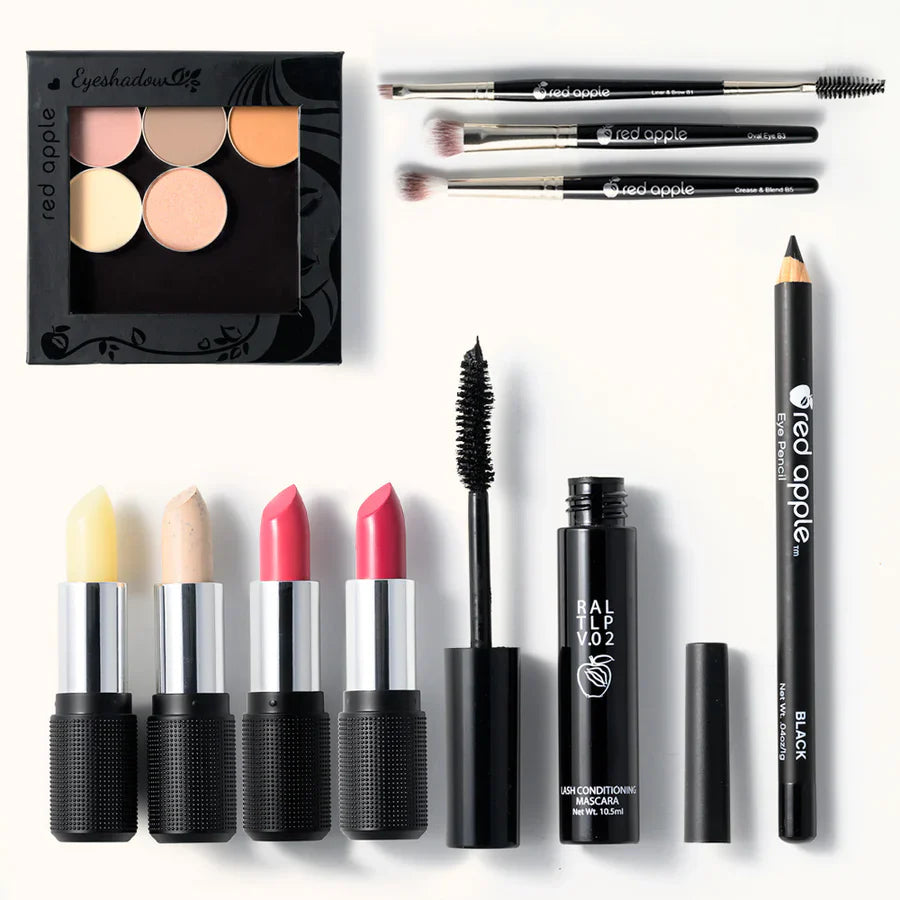
At Red Apple Lipstick, we take a different approach. Our goal is to create cosmetics that feel good on your skin and support your confidence at the same time.
- We avoid plasticizers and harsh preservatives.
- We focus on skin loving ingredients and gluten free formulas.
- We design color cosmetics that work well for sensitive skin and allergy conscious customers.
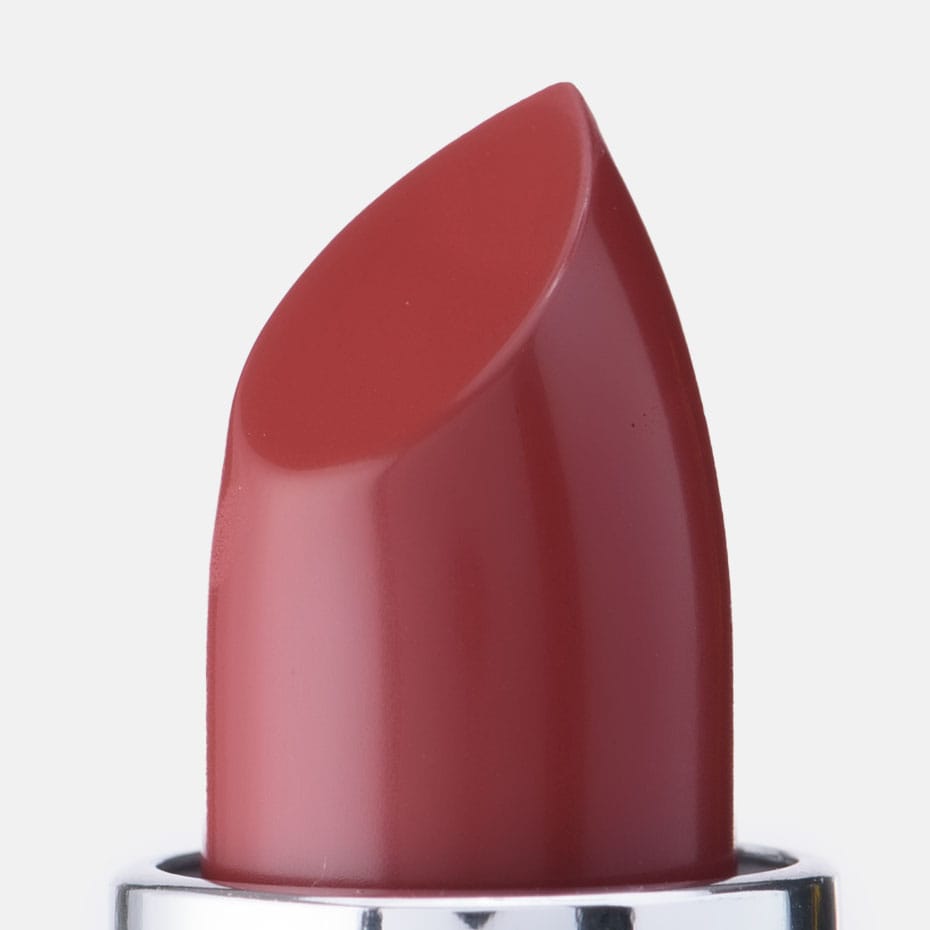
If your lips tend to be dry or reactive, pairing hydrating lipstick for dry lips with a creamy lip pencil and a soft vegan lip brush can give you smooth, comfortable color without the drama.
FAQs
How can I tell if my reaction is from makeup or something else?
Pay attention to timing and location. If redness or itching appears where you applied product and fades when you stop using it, makeup is a strong suspect. A dermatologist or allergist can help you sort out ingredients and rule out other causes.
What is the difference between irritation and a true allergy?
Irritation often shows up quickly as burning, stinging, or dryness and is usually caused by the product being too harsh for your skin barrier. An allergy is an immune reaction that may include swelling, hives, or intense itching and can appear hours after use.
How can I safely test a new makeup product?
Do a small patch test on a clean area such as the side of your neck or inner forearm. Apply a thin layer, wait 24 to 48 hours, and watch for redness, bumps, or burning. If you notice a reaction, do not use the product on your face or eyes.
Which makeup products most often cause allergies?
Anything that stays on your skin for hours can be a problem, but fragrance heavy products, eye makeup, long wear foundations, and lip products are common triggers. Choosing fragrance free, talc free, and gluten free options can help lower your risk.
Are Red Apple Lipstick products good for sensitive or allergy prone skin?
Our formulas are created with sensitive skin in mind and are gluten free and cruelty free. Many customers who react to conventional products find our hydrating lipsticks, talc free eyeshadows, and gentle lip care more comfortable, but every person is unique.
When should I seek urgent medical care for a reaction?
If you have trouble breathing, chest tightness, swelling of your lips, tongue, or throat, or feel dizzy or faint, seek emergency care right away. These can be signs of a serious reaction that needs fast medical attention.
